September 1, 2026
A vehicle's paint and finish affect more than its appearance. Scratches, fading, dents, weather exposure, and other surface damage can make a car look worn even when the rest of the vehicle is in good condition. Professional bodywork shops can assess these concerns and use careful repair methods to improve the overall appearance of a vehicle. This article explains how bodywork shops restore paint and finish quality, from evaluating surface damage to preparing, repairing, and refining affected areas.
Evaluating Surface Damage
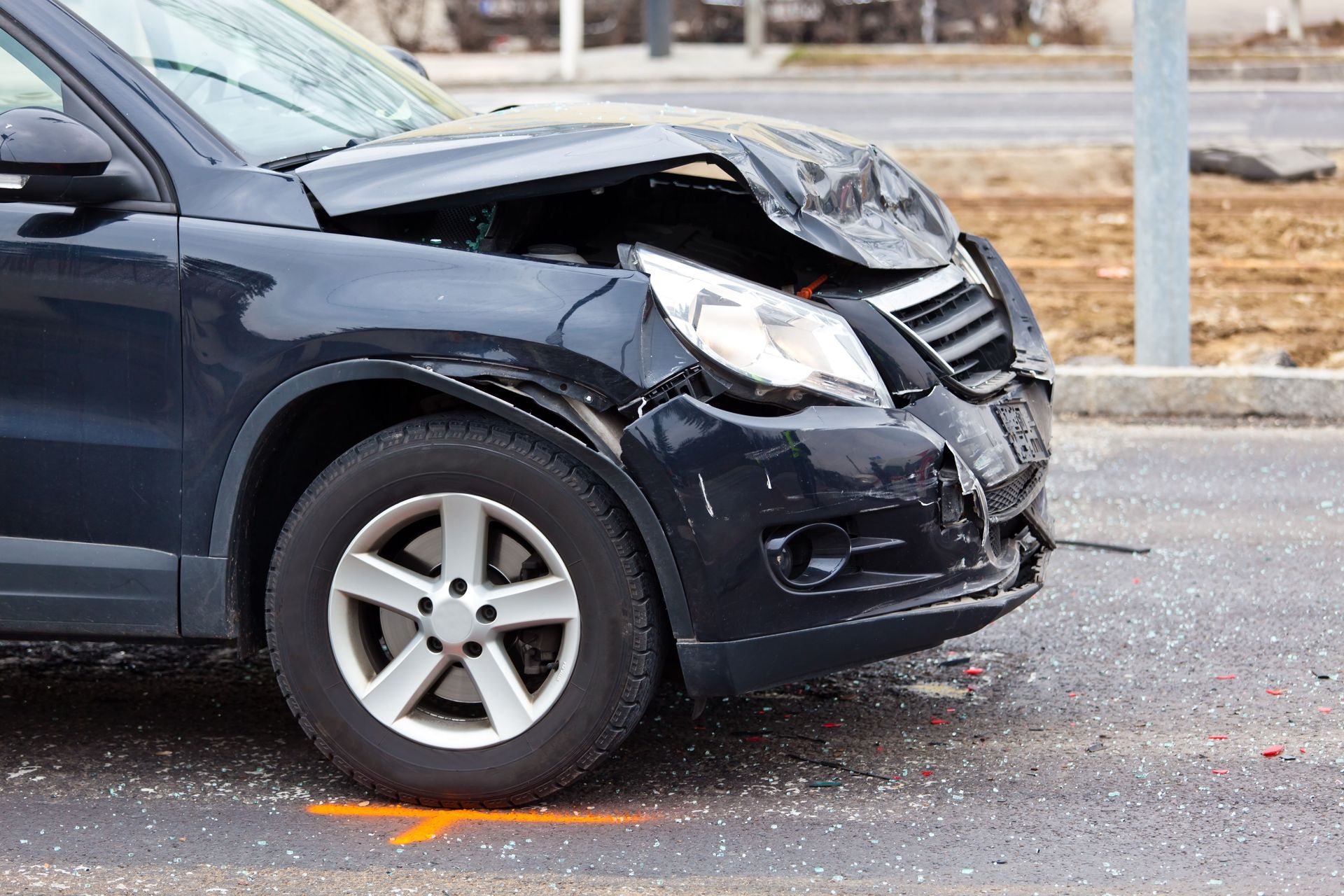
Restoring a vehicle's finish starts with understanding the condition of the affected area. Paint damage can range from small scratches and chips to larger areas where the finish has faded, peeled, or been affected by a collision. Each type of damage can require a different approach, so a careful assessment is an important part of the process. Bodywork shops examine the damaged area and the surrounding surface to determine the extent of the concern. They may look for differences in color, texture, gloss, and surface condition. A broader inspection can also help identify damage that may not be immediately visible. The goal is to develop an appropriate repair plan based on the vehicle's condition. Addressing the full affected area can help create a more consistent appearance instead of focusing only on the most noticeable part of the damage.
Preparing Damaged Areas
Proper preparation plays an important role in restoring paint quality. Before new finish work can be completed, the affected surface may need to be cleaned and prepared. Removing dirt, loose material, and other surface contaminants helps create a more suitable foundation for the repair process. Bodywork shops also pay attention to the edges of damaged areas. A scratch, dent, or other imperfection can affect a larger section of the finish than what is visible at first glance. Preparing the surrounding area helps the repaired section transition more naturally into the existing finish. Careful preparation can also help reduce visible differences between the repaired area and the rest of the vehicle. The condition of the surrounding paint, the age of the finish, and the location of the damage can all affect the final appearance.
Repairing Surface Imperfections
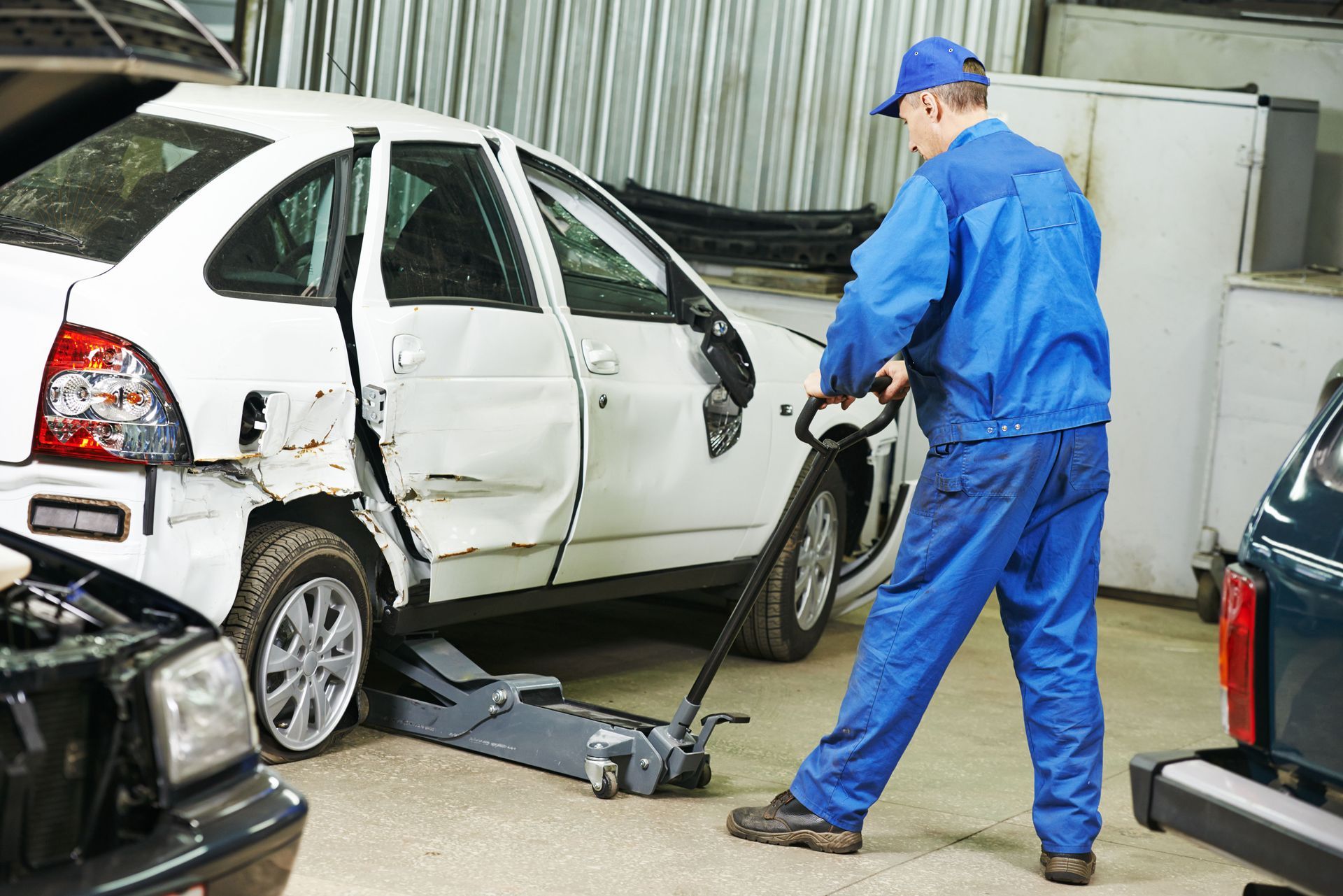
Once the damaged area has been prepared, the next step involves correcting the surface imperfections. Scratches, dents, chips, and other concerns can change the shape or texture of a vehicle's exterior. A professional repair process addresses these issues before the final finish is restored. Bodywork shops work to create a smooth surface that is ready for additional finish work. This may involve correcting uneven areas and preparing the surface so that the repaired section does not stand out from the surrounding panels. The condition of the vehicle can affect how much work is needed. A small surface scratch may require a different process than damage that extends across a larger panel. Professional assessment helps determine the appropriate level of repair without applying the same approach to every situation.
Matching Existing Paint
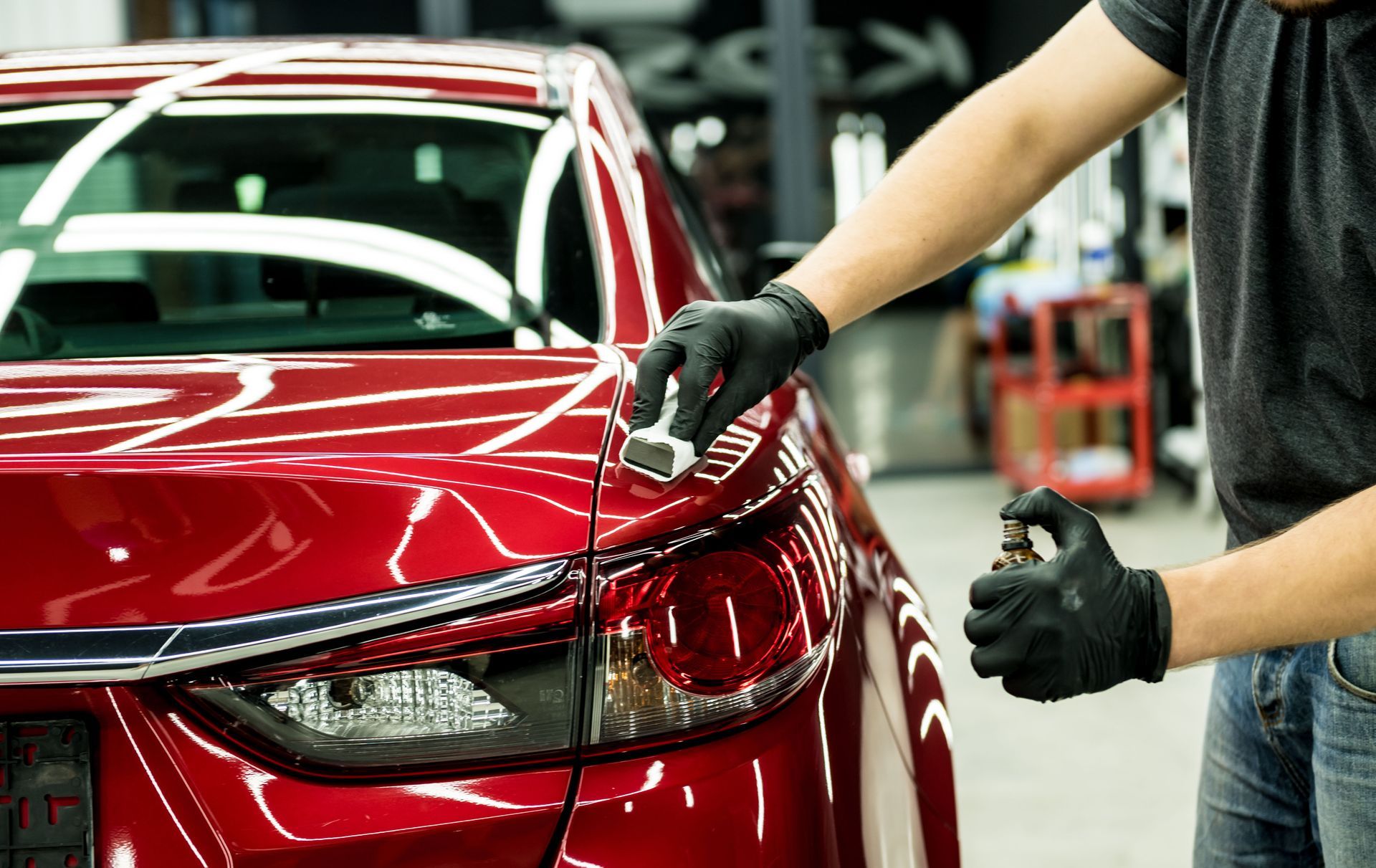
Color matching is another important part of restoring a vehicle's appearance. Even when a replacement finish is close, differences can become noticeable when the repaired area is next to older paint. Exposure to sunlight, weather, road conditions, and normal aging can change the appearance of a vehicle's original finish over time. Bodywork shops consider the existing color and condition of the vehicle when working on affected areas. The goal is to create a consistent appearance across the repaired section and the surrounding surface. According to Consumer Reports, new auto paints are designed to last up to 10 years. The durability of modern automotive paint can help a vehicle maintain its appearance over time, but proper repair and care still matter when damage occurs. Restoring damaged sections can help preserve the overall look of the vehicle rather than allowing small imperfections to become more noticeable.
Refining the Overall Finish
After the primary repair work is completed, attention can turn to the overall appearance of the finish. The repaired section should fit naturally with the surrounding areas in terms of color, texture, and appearance. Small differences can be more visible on clean, well-maintained vehicles, which makes the final finishing stage important. Bodywork shops review repaired areas to identify noticeable inconsistencies. They may refine the surface so that the repaired section has a more uniform appearance with nearby panels. This stage is also where the condition of the rest of the vehicle can become more apparent. A repair may improve one damaged area while highlighting differences elsewhere if the surrounding finish has significant fading or wear. A broader assessment can help determine how the repaired area fits into the vehicle's overall appearance.
Protecting Paint Quality
Maintaining paint quality is important after a vehicle's finish has been restored. A car's exterior is exposed to sunlight, rain, dirt, road debris, temperature changes, and other environmental conditions. Over time, these factors can affect the color and surface appearance. Professional bodywork shops can help identify conditions that may contribute to continued finish problems. Addressing damaged areas promptly can also limit the amount of time that exposed surfaces remain vulnerable to additional wear. Paint protection is not only about keeping a vehicle looking clean. The exterior finish also serves as a protective layer over the underlying surfaces. When paint becomes damaged, exposed areas may become more susceptible to deterioration. Professional repair can help restore the surface and its appearance.
Improving Vehicle Appearance
Paint and finish quality have a major effect on how a vehicle looks. A car with faded paint, visible scratches, dents, or mismatched areas can appear older than it is. Restoring these concerns can create a cleaner and more consistent appearance. Bodywork shops can address individual areas of damage while considering how those areas relate to the rest of the vehicle. This broader perspective can make repairs look more natural and help preserve the vehicle's overall visual condition. Appearance can also matter when a vehicle is being prepared for a future sale or simply maintained as a long-term investment. A well-maintained exterior can create a better first impression and show that the vehicle has received regular attention.
Preserving Vehicle Condition
Restoring paint and finish quality can also support the broader condition of a vehicle. Exterior damage may seem minor at first, but neglected areas can become more noticeable and may contribute to additional surface concerns. Professional evaluation can help determine whether a visible issue is limited to the finish or connected to more serious damage. Bodywork shops can assess the condition of the affected area and recommend an appropriate repair process. Addressing concerns based on their actual condition can help avoid overlooking problems beneath the visible surface. Regular attention to the exterior can also make it easier to notice changes over time. Fading, scratches, chips, dents, and other imperfections can be identified before they affect a larger portion of the vehicle.
A vehicle's paint can experience wear from sunlight, moisture, road debris, minor impacts, and everyday use. Addressing visible damage early can help maintain the vehicle's overall appearance and prevent imperfections from becoming more noticeable over time. Bodywork shops can evaluate the exterior, address affected areas, and help restore a more consistent finish. If your vehicle's paint or finish needs attention, contact Circle Body Shop to learn how we can help restore its appearance and maintain a clean, well-kept exterior.