October 1, 2026
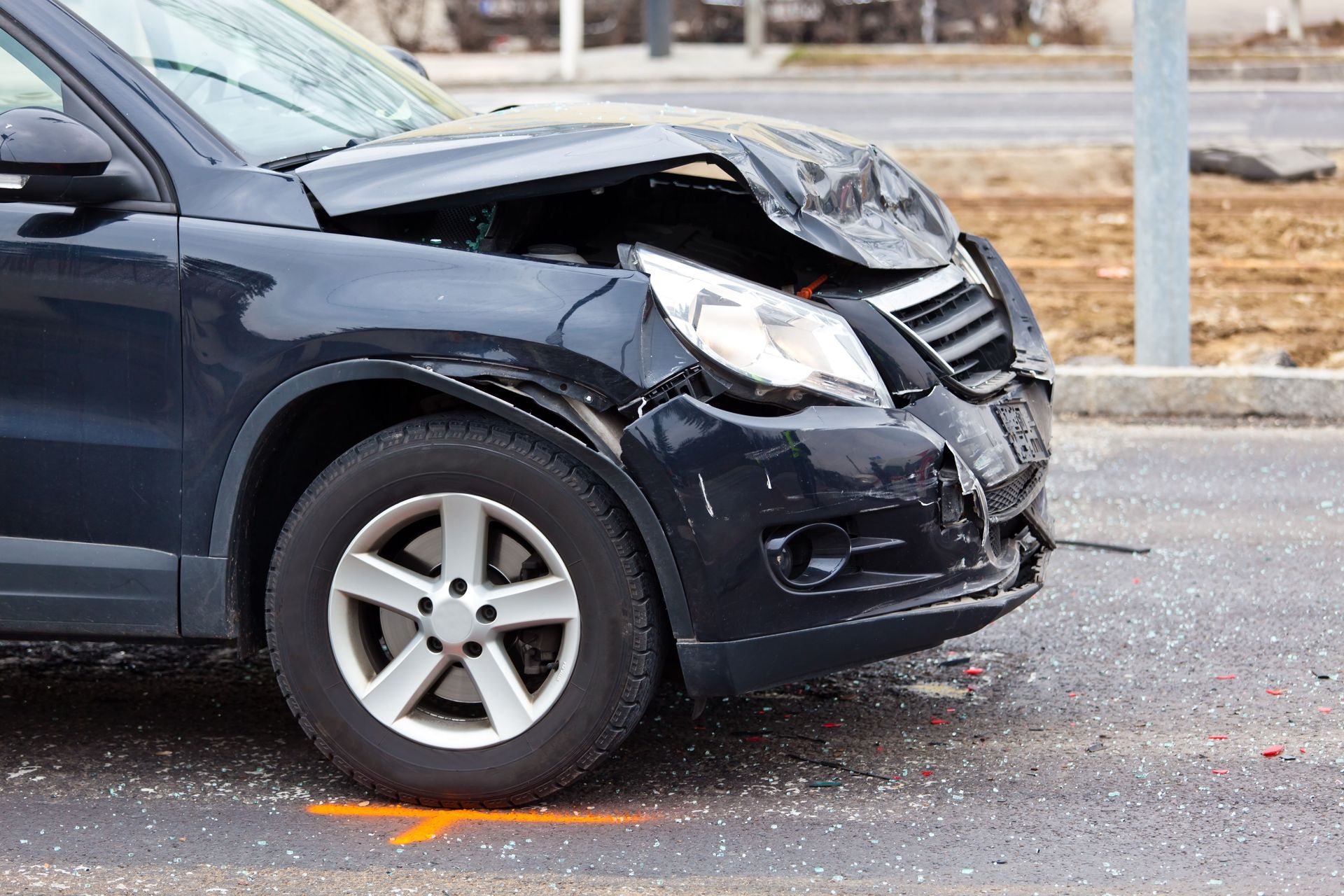
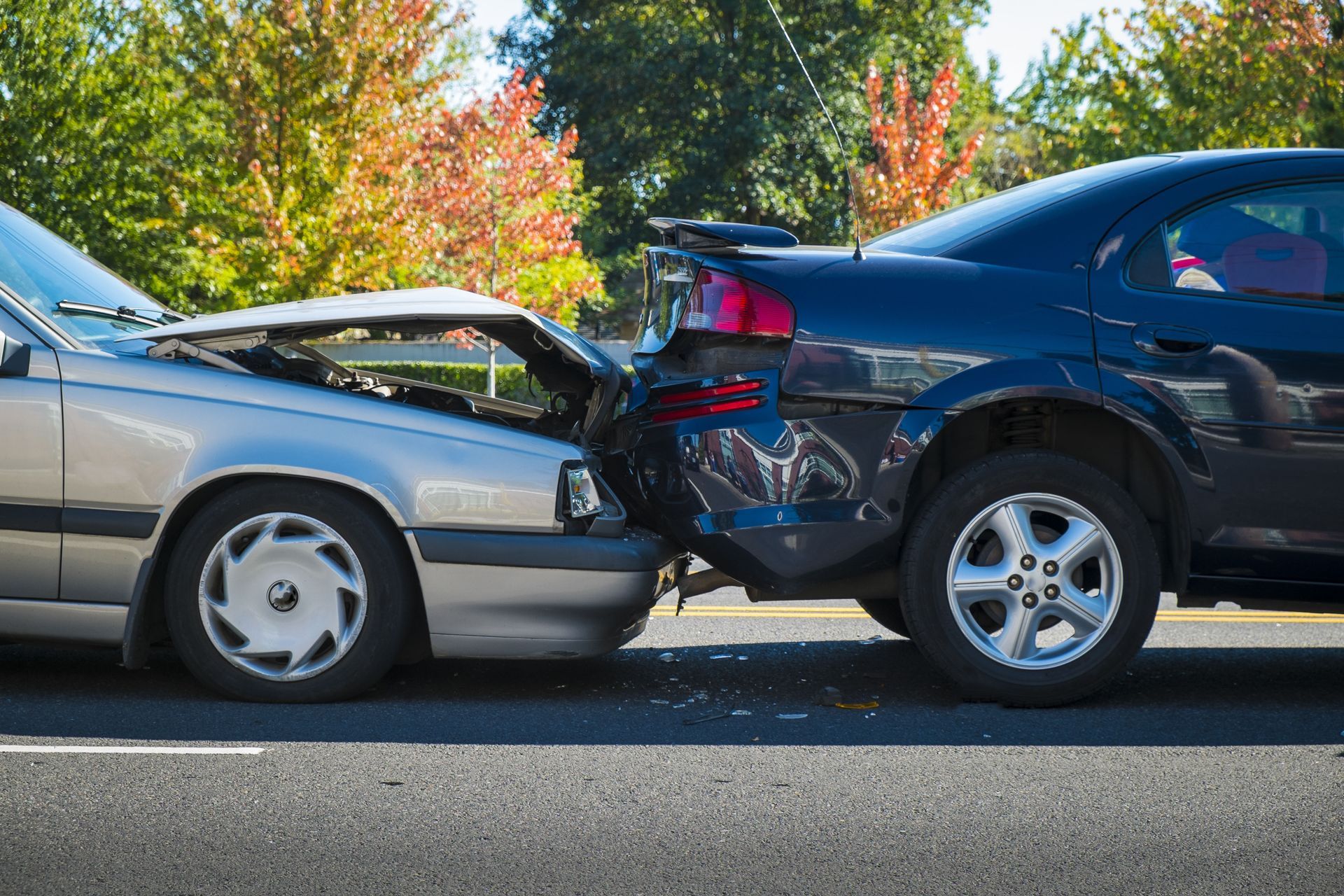
It is a common misconception that all automotive accidents happen at high speeds on busy highways, involving multiple vehicles and dramatic outcomes. In reality, a significant portion of automotive damage occurs during routine, low-speed maneuvers. According to Forbes, over 20% of auto accidents involve fixed objects like poles, trees, or parked cars. When a driver backs into a mailbox, lightly bumps a concrete pillar in a parking garage, or scrapes against a stationary vehicle, the resulting damage often appears to be purely cosmetic. A dented bumper, a scraped fender, or a cracked taillight might seem like an inconvenience rather than a true emergency. As a result, many vehicle owners decide to put off taking their car to a body shop, choosing to live with the unsightly damage until it is "more convenient" to get it fixed.
However, this mindset can be incredibly dangerous and financially devastating. Modern vehicles are complex machines designed with intricate safety systems, precise aerodynamic features, and carefully engineered structural components. What looks like a simple dent on the surface can easily mask severe internal damage that compromises the safety, longevity, and drivability of your vehicle. Delaying necessary collision repairs is never just about aesthetics; it is about protecting your investment and your life. We have seen firsthand what happens when minor damage is left unattended. To help you make the best decisions for your vehicle, we have outlined the six hidden dangers of putting off automotive body work.
1. Compromising Your Vehicle’s Structural Integrity
Modern automobiles are built using a unibody construction, meaning the frame and the body of the car are manufactured as a single, continuous piece of metal. This design is intentionally engineered to absorb and redirect the kinetic energy of a crash away from the passenger cabin, keeping the occupants safe. Crumple zones are meant to take the brunt of an impact, sacrificing the exterior of the vehicle to protect the people inside.
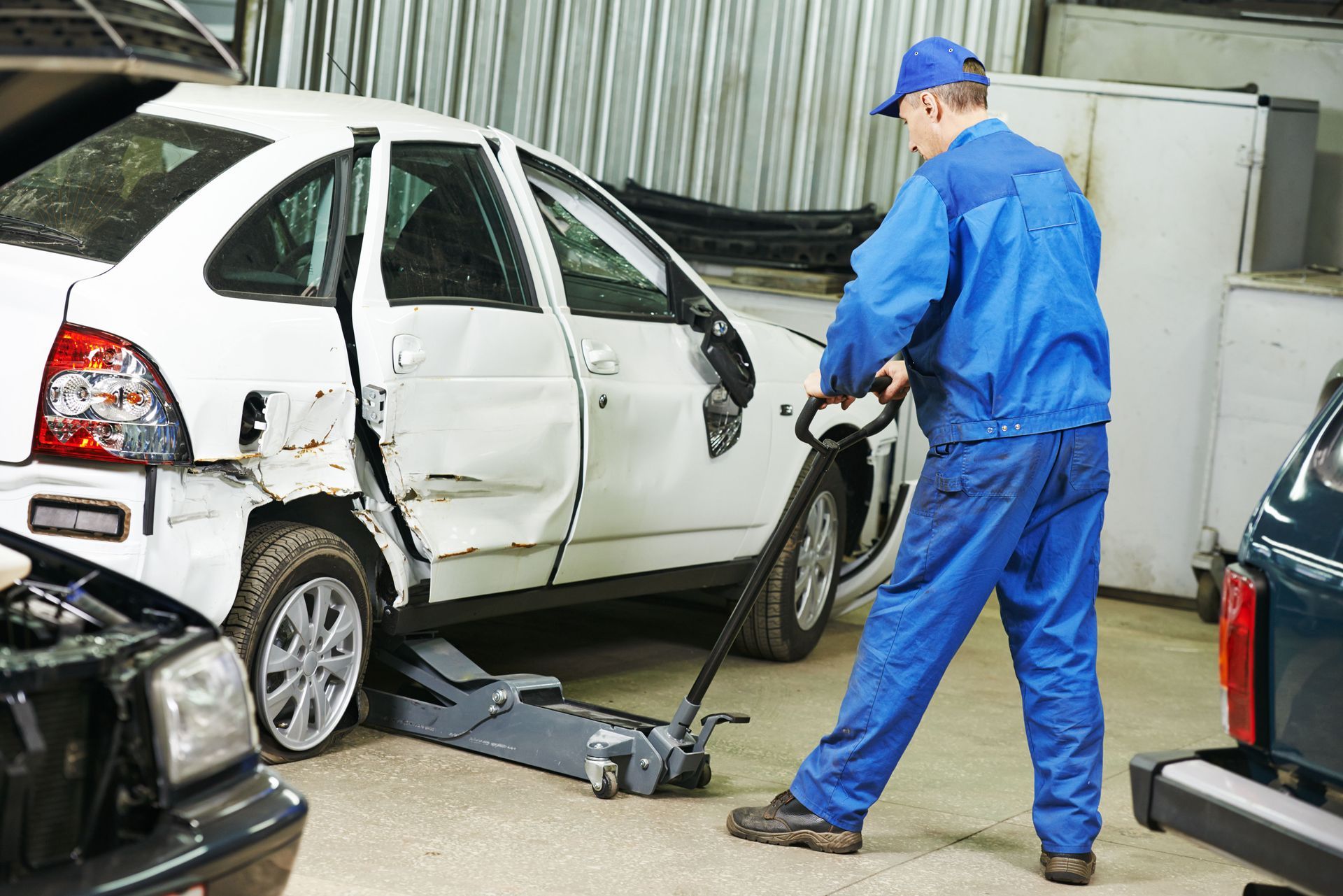
When you hit a stationary object or another vehicle, even at a relatively low speed, these structural components can bend, weaken, or warp. If you continue driving without addressing the underlying damage, delaying these vital collision repairs means your vehicle is structurally compromised. The metal has already yielded to stress once; it will not be able to absorb a second impact with the same effectiveness. In the unfortunate event of another accident, a weakened frame could cause the energy of the crash to transfer directly into the passenger cabin, leading to severe injuries or fatalities. Only a professional body shop can measure the frame against factory specifications to ensure your car is structurally sound.
2. Inviting Hidden Rust and Corrosion Damage
Your car’s paint job does much more than make the vehicle look shiny and attractive; it serves as a crucial protective barrier. Automotive paint, clear coats, and specialized primers seal the underlying steel and aluminum components, protecting them from the elements. When a collision results in deep scratches, gouges, or chipped paint, this protective seal is broken. The bare metal of your vehicle is suddenly exposed to moisture in the air, rain, snow, road salt, and harsh UV rays.
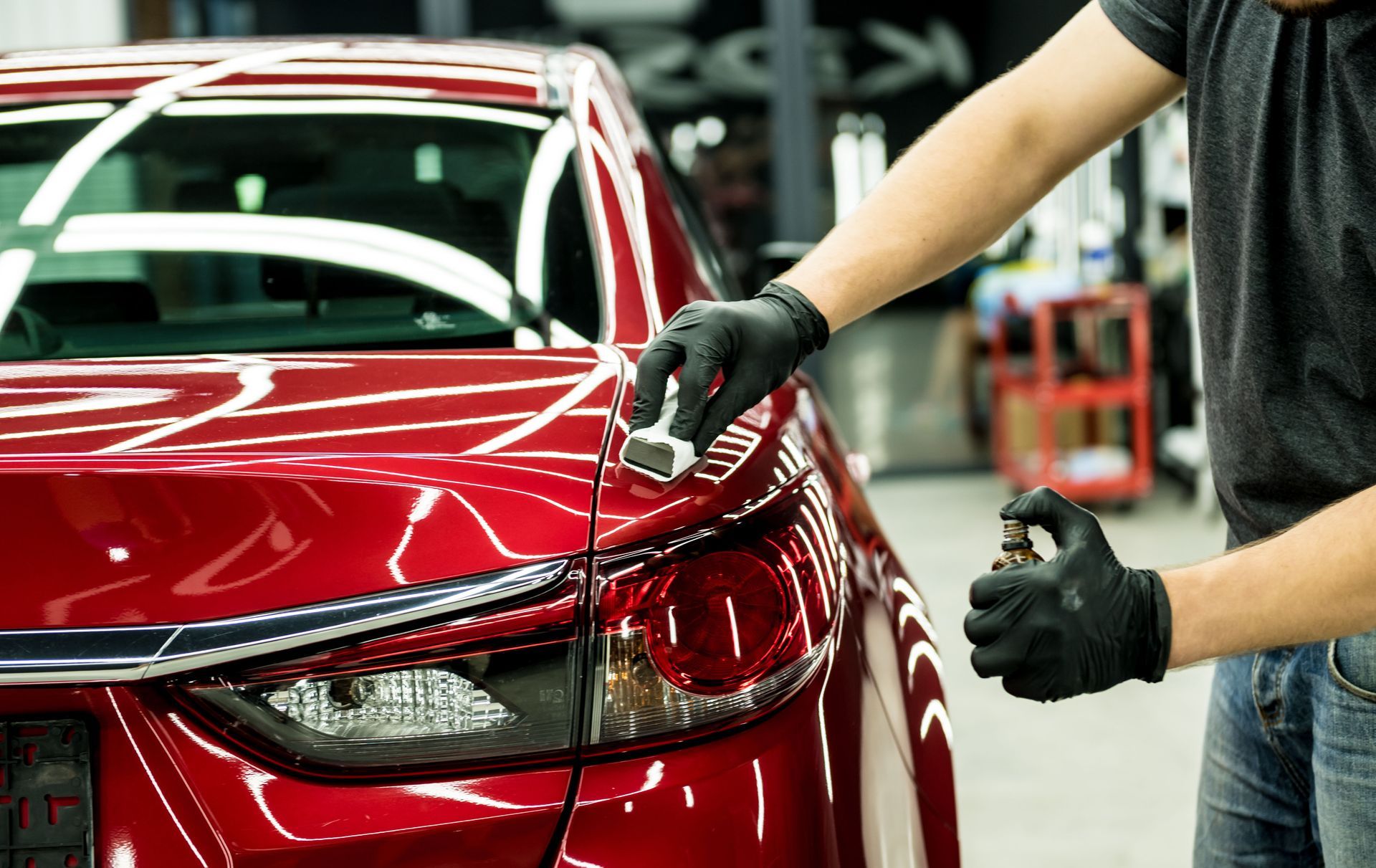
Once metal is exposed to oxygen and moisture, the oxidation process begins immediately. Rust is essentially a vehicle disease. It starts as a tiny orange speck inside a scratch, but it rapidly spreads beneath the surrounding healthy paint, eating away at the structural metal panels of your car. By the time the rust bubbles up and becomes clearly visible, the metal underneath is often heavily corroded or completely rotted through. Scheduling prompt collision repairs prevents moisture from taking hold. A technician can sand down the damaged area, treat the metal, and re-seal it with fresh paint, stopping rust dead in its tracks before it can devour your door panels or quarter panels.
3. Ignoring Dangerous Wheel Alignment Issues
When a vehicle suffers an impact, the delicate geometry of the suspension system is often thrown completely out of balance. Even a seemingly minor fender bender can bend tie rods, warp control arms, or damage struts. These issues are rarely visible to the naked eye from the outside of the car, but they have a profound impact on how your vehicle handles on the road.
If your wheels are no longer perfectly aligned, you will likely start to notice some concerning symptoms. Your vehicle might violently pull to the left or the right when you are trying to drive in a straight line. Your steering wheel may vibrate or shake at highway speeds, and your tires will begin to wear down unevenly and prematurely. In severe cases, a damaged suspension can lead to a catastrophic tire blowout or a complete loss of steering control. Getting comprehensive collision repairs address not just the bent sheet metal, but also the underlying mechanical and suspension alignments, ensuring your vehicle tracks straight and remains safely under your control.
4. Risking the Failure of Crucial Safety Features
Today’s vehicles are essentially computers on wheels, packed to the brim with Advanced Driver Assistance Systems (ADAS). These features — such as automatic emergency braking, adaptive cruise control, blind-spot monitoring, parking sensors, and lane departure warnings — rely on a complex network of delicate cameras, radar sensors, and ultrasonic transmitters. Where are most of these sensors located? Directly behind your front and rear bumpers, inside your side mirrors, and integrated into your windshield.
When you delay fixing a cracked or heavily dented bumper, you might unknowingly be driving a car with misaligned or shattered safety sensors. A sensor that has been knocked just a fraction of an inch out of place might fail to detect a pedestrian, or it might incorrectly trigger your automatic brakes in the middle of flowing traffic. Furthermore, airbag deployment sensors rely on precise impact measurements to trigger. Avoiding necessary collision repairs leaves your vehicle blind to its surroundings, meaning the very systems designed to save your life in an emergency could fail to activate when you need them most.
5. Decreasing Your Vehicle's Overall Resale Value
For most people, a car is one of the most significant financial investments they will ever make. Whether you plan to drive your car until the wheels fall off, or you intend to trade it in for a newer model in a few years, maintaining its value should be a top priority. Driving around with visible damage, fading, and dents is a surefire way to severely depreciate the worth of your automobile.
When it comes time to sell or trade in your car, prospective buyers and dealership appraisers will heavily scrutinize its exterior condition. Unrepaired body damage is an immediate red flag. A buyer will assume that if you neglected the visible exterior of the car, you likely neglected routine mechanical maintenance, like oil changes and brake pad replacements, as well. They will use the damage to aggressively negotiate the price down, often subtracting much more from their offer than the actual cost of the repair. Investing in professional collision repairs immediately after an incident preserves the aesthetic and structural integrity of your car, guaranteeing you secure top dollar when it is time to sell.
6. Incurring Substantially Higher Out-of-Pocket Costs
Perhaps the most ironic aspect of delaying body work is that people usually wait because they want to save money. They assume that holding off on paying a deductible or paying out-of-pocket will keep cash in their bank account. Unfortunately, the opposite is almost always true. Automotive damage does not heal itself; it only grows progressively worse, and progressively more expensive, over time.
If you wait months to report an accident and finally decide to get it fixed, your insurance provider may also deny the claim altogether, citing your failure to promptly report the incident or arguing that the delay caused secondary damage they are not liable for. Ultimately, delaying collision repairs can actually lead to entirely preventable out-of-pocket expenses that far exceed the original cost of fixing the dent.
Your vehicle is designed to keep you, your family, and other motorists safe on the road, but it can only do so if it is maintained in optimal condition. If you have recently bumped into a stationary object, had a low-speed fender bender, or noticed lingering damage on your vehicle, do not take the risk of ignoring it. Contact Circle Body Shop to schedule your collision repairs today, and drive away with true peace of mind.