November 4, 2026
Getting into an accident is a stressful experience, and the aftermath can often feel just as overwhelming when you are left without your primary mode of transportation. Whether it is a minor fender bender or a more significant collision, you want your vehicle restored to its original condition as quickly as possible. However, the timeline for your auto body repair is not always a simple calculation. Every vehicle is different, and every collision presents a unique set of challenges that technicians must carefully evaluate and address. Many drivers wonder why a seemingly straightforward fix might take several days or even weeks to complete. The reality is that restoring a car requires precision, expertise, and a systematic approach to ensure safety and aesthetic perfection. By understanding the various elements that influence the duration of the process, you can set realistic expectations and better plan for the days ahead. Several critical variables come into play once you hand over your keys.
1. The Extent of the Initial Damage
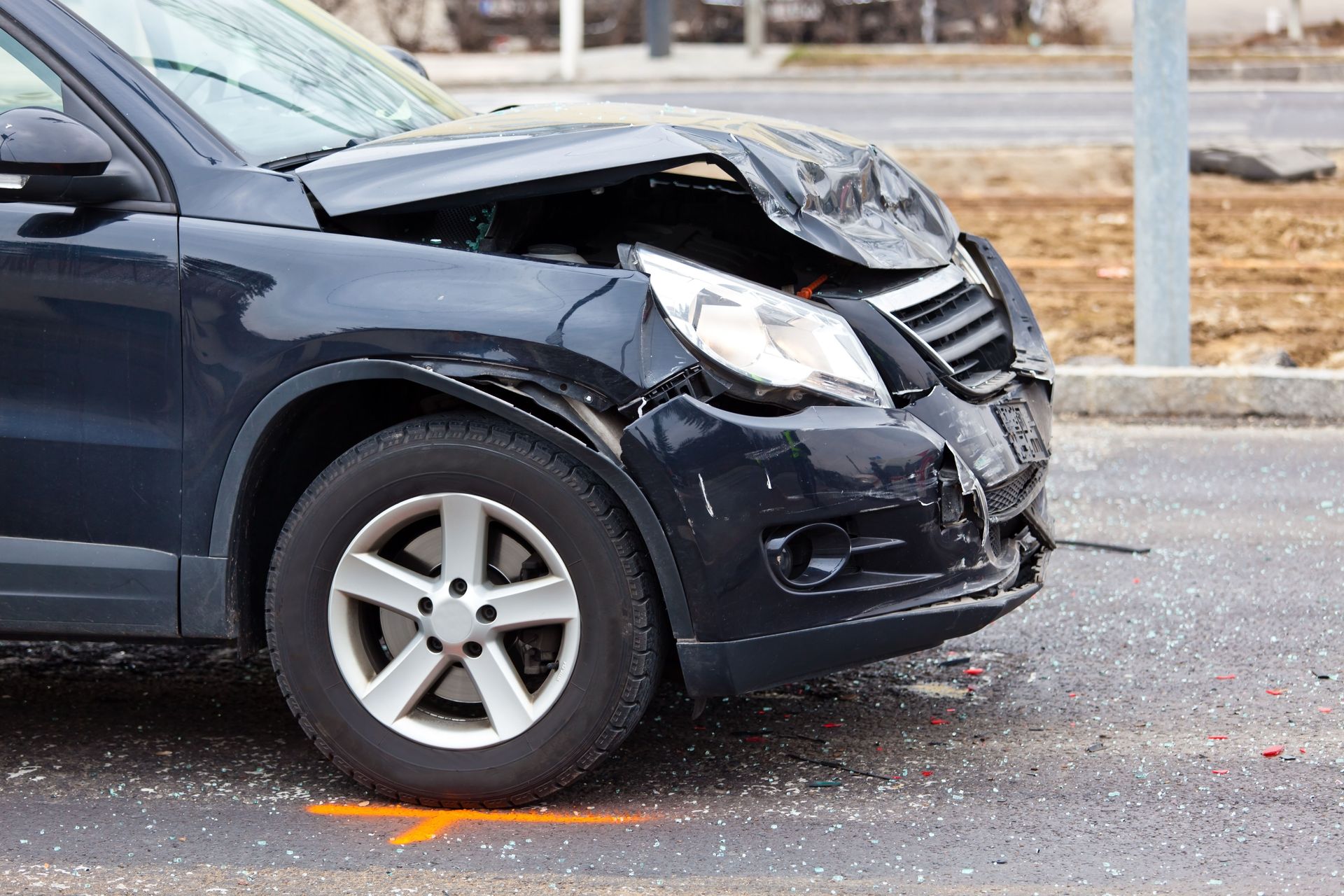
When you bring your vehicle into a facility, the first step is always a thorough assessment of the visible destruction. The sheer severity of the impact plays a massive role in determining how long you will be without your car. According to DentGoalie, roughly 20% of auto body dents and scratches occur in parking lots. These types of minor blemishes typically require a relatively short turnaround time, as technicians can quickly smooth out the surface and match the paint. On the other hand, if your vehicle was involved in a major collision at high speeds, the restoration will demand significantly more labor. Extensive crumpling, shattered glass, and twisted metal require meticulous dismantling and reshaping before any reassembly can even begin. Technicians must analyze every affected panel to determine what can be salvaged. A comprehensive auto body repair for severe damage simply cannot be rushed, as the technicians must ensure every single piece aligns perfectly for your ultimate safety on the road.
2. The Availability of Replacement Parts
Another major factor that dictates the pace of your auto body repair is the supply chain and the specific components required for your make and model. If you drive a very common vehicle, there is a high likelihood that the necessary bumpers, fenders, or side mirrors are readily available at local distribution centers. In these ideal scenarios, the components can arrive at the facility almost immediately, allowing the technicians to proceed without delay. However, if you own a rare, vintage, or imported luxury car, sourcing the correct items can become a time-consuming hurdle. Sometimes, components must be shipped from overseas or back-ordered from the original manufacturer, adding unexpected waiting periods to the timeline. Even for standard vehicles, widespread industry shortages or logistical disruptions can occasionally cause frustrating delays. The facility cannot move forward with the reassembly until every single necessary piece has arrived and passed a rigorous quality inspection, making part availability a crucial element of the overall schedule.
3. The Complexity of the Paint Job
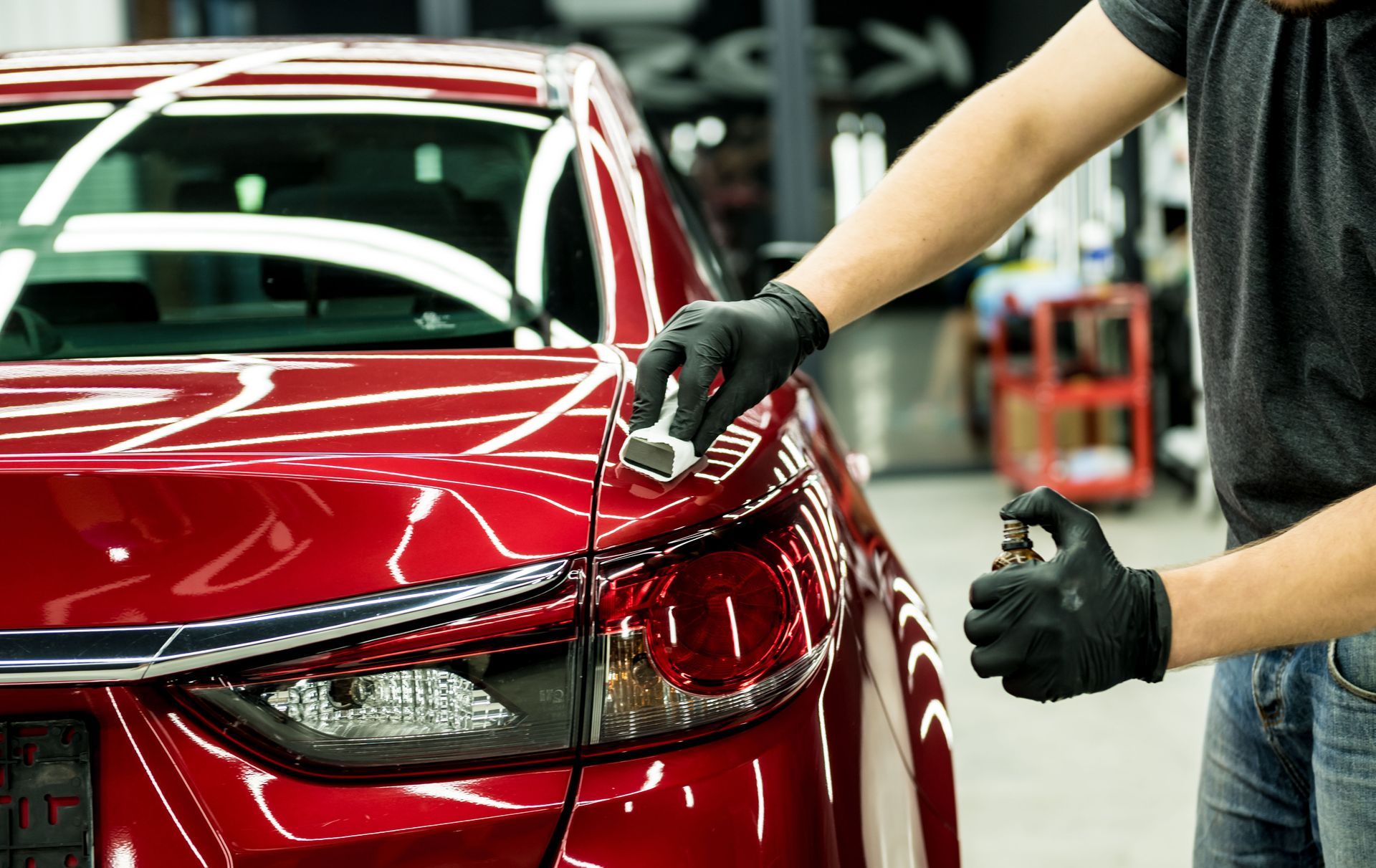
Restoring the exterior finish of a vehicle is an intricate art that requires significant time, patience, and ideal environmental conditions. Matching the exact hue of your car is rarely as simple as applying a single coat straight from a can. Paint fades over time due to sun exposure and weather, meaning technicians must skillfully blend new colors to flawlessly match the surrounding weathered panels. Furthermore, the application process itself is highly structured and sequential. The surface must be meticulously sanded, primed, painted, and finished with a clear coat. Each individual layer must cure completely before the next one can be applied, and this curing process cannot be artificially accelerated without compromising the durability of the finish. Modern vehicles often feature specialized finishes that demand intricate application techniques and longer drying times. The dedication required to achieve a seamless, factory-quality finish naturally extends the duration of the overall project.
4. The Current Workload at the Facility
The operational capacity and current schedule of the chosen facility will inevitably impact how swiftly your project is completed. Just like any other service-based business, collision centers experience fluctuating seasons of high and low demand. During certain times of the year, such as the winter months when icy roads lead to an influx of accidents, facilities may be operating at maximum capacity. If you schedule your auto body repair during one of these peak periods, your vehicle may have to wait in a queue before a technician can even begin the initial teardown. Even the most efficient and well-staffed teams can only handle a specific volume of work at any given moment without sacrificing their standard of quality. Quality craftsmanship takes dedicated time, and reputable technicians will refuse to rush through their procedures just to clear out the garage. Communication with the administrative staff about their current backlog will give you a much clearer picture of when your vehicle will actually enter the active bays.
5. The Insurance Approval Process
Navigating the administrative side of a collision claim is often the most frustrating and time-consuming part of the entire ordeal. Before any actual physical labor can commence on your vehicle, the facility must secure authorization from your insurance provider. This typically involves submitting detailed estimates, photographs of the damage, and comprehensive part lists to an adjuster for careful review. Sometimes, the insurance company will approve the initial estimate immediately, allowing the auto body repair to proceed without a hitch. However, it is quite common for adjusters to request additional documentation or mandate the use of specific aftermarket parts instead of original equipment manufacturer components. These back-and-forth negotiations between the facility estimators and the insurance adjusters can stall the project for days. The vehicle essentially sits idle while waiting for the bureaucratic green light. Ensuring that you promptly answer any calls from your insurance agent and provide any requested statements can help minimize these administrative bottlenecks and keep the project moving forward.
6. The Discovery of Hidden Structural Issues
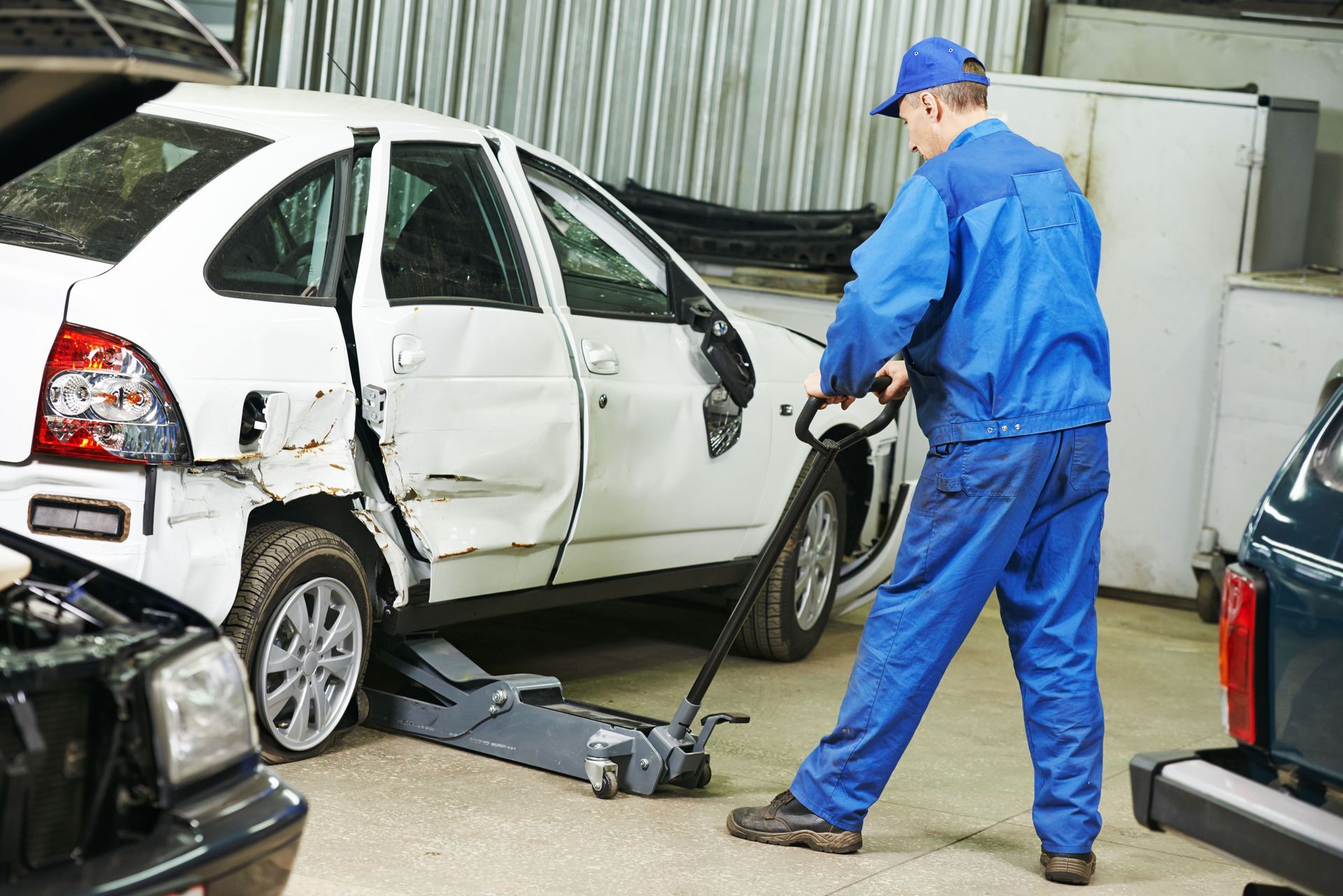
Even the most thorough initial visual inspection cannot always reveal the full scope of the required restoration. Modern vehicles are incredibly complex machines designed to absorb impact energy to protect the occupants. As a result, the outer cosmetic damage often masks deeper, more significant complications underneath the surface. During the disassembly phase, technicians might uncover bent frames, damaged suspension components, or compromised electrical wiring. When these hidden issues are brought to light, the original timeline must be entirely recalibrated. The facility has to halt the current auto body repair, draft a supplemental estimate, submit it to the insurance company for a second round of approvals, and potentially order additional unforeseen parts. While this discovery process is undeniably frustrating because it extends the wait time, it is an absolutely vital step to ensure that the vehicle is structurally sound and completely safe to drive upon its return to the road.
Waiting for your vehicle to be completely restored requires a considerable amount of patience, but understanding the intricate steps involved can make the process feel much more manageable. From sourcing the correct materials to matching complex paint colors and navigating insurance approvals, every phase requires careful attention to detail. Rushing through these vital procedures could compromise the structural integrity of your vehicle and your safety on the road, which is why quality craftsmanship should always be prioritized over a speedy turnaround. By maintaining open lines of communication with your chosen technicians, you can stay informed about the progress and any unexpected delays that might arise during the teardown. When you need a reliable and transparent
auto body repair, you want a team that prioritizes both efficiency and uncompromising quality. Trust the experts at Circle Body Shop to handle your vehicle with the utmost care and professionalism. Call our dedicated staff today to learn more and schedule your comprehensive initial estimate.